BUILDING A PLATFORM OF WORSHIP
This article in the series, ”Lessons Learned in the Cauldron of Church Planting”, opens up the question of how we approach worship in a young church that has limited musicians and technical possibilities. The key we will discover is learning to work with imperfections and fostering a heart of worship.
My early experiences in leading worship
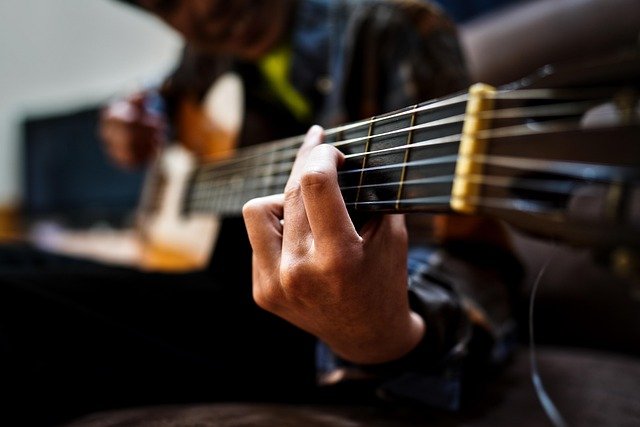
In every church that we have personally planted, except for our Ipswich church, I was the only musician we had at the beginning, and hardly an accomplished one at that! However, I was able to lead worship strumming away on my lonely classical guitar. I was self-taught at the age of 16 because I wanted to accompany singing in prayer meetings. I bought my first guitar from a friend from school and only paid $11 for it. I thought it was a bargain even in 1970! I bought myself a chord sheet and obtained a chorus book with chords and lyrics of the songs we were singing in prayer meetings at the time.
After a week or so of practising, I said to my mother, “Mum, I’d like to play you a song I’ve learned.” As I played, I could sense her displeasure. “That’s good, my son, but are you playing it right?” It did sound off to me as well, but I was doing everything right, so I assumed the problem was the guitar. The next day I went to school determined to get my money back. When I saw my friend, the guitar seller, and asked him for my money, he replied, “Did you tune the guitar?” “Tune the guitar? What’s that?”, I replied. I had been playing a guitar that wasn’t tuned and didn’t know it.
Learn to do your best with what you have
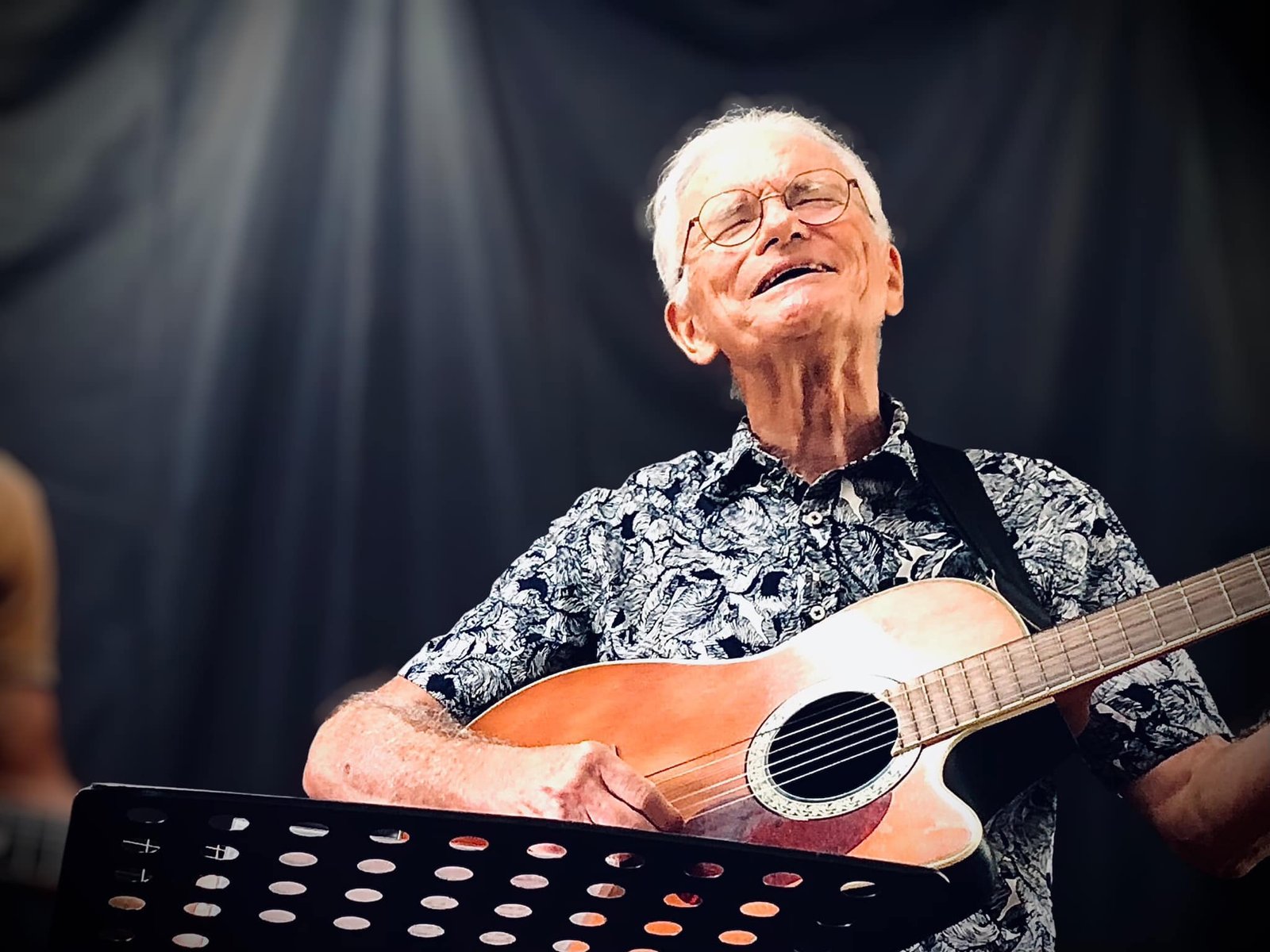
Why have I shared this anecdote at the beginning of this post? It’s to help you understand that when you plant a church, you have to make do with the music you have or don’t have. I’m afraid I’m not a very good guitarist like some I know, but I do know how to lead worship with my guitar – I’ve been doing it long enough.
I remember a visit to an outback country church in South Australia. It was a small church still very much in the planting phase. Arriving early, I sat and watched the worship team go through their paces. The worship team consisted of an elder playing his guitar and leading, accompanied by a lady on the mic. As I listened, I felt that something was not quite right; I couldn’t hear the lady. So, I approached the guy on the sound desk to mention it to him. He looked up with a grin and replied, “Oh, that’s normal, we turn off her mic. She can’t sing!” “Oh, I see,” I replied, laughing inwardly. Church planting? I just love the imperfection of it all. Years later, that church ministers to many hundreds of people, especially the indigenous folk. The pastor is such a unique man of God.
This is a reality in church planting that has to be well managed, especially in an age when high-profile churches can be intimidating with their seemingly endless musical talent, extravagant sound systems, and slick presentation.
Choose genuine worship rather than ‘imitation’ worship
The danger for a young church is to try to imitate what the large churches are doing with their 10-piece band. The songs sung these days in church services have become complex with more bridges than the city of Paris. One well-meaning lady on an upright piano cannot cope with it and the congregation sings more to encourage her than to worship God.
I have visited young churches where there weren’t any musicians and they solved the problem of the music by projecting videos of songs, asking the congregation to join in the singing. I have seen this being more or less successful, depending on the songs chosen to project. In one church I was to speak at, the songs projected were not known to the people. We might as well have been at home sitting back in the lounge watching TV. I did like what I saw in another young church in Brisbane – they showed video worship of well-known songs, but at a certain point, they turned it off and the pastor led the people in spontaneous worship.
Congregational worship or a concert?

One of the reproaches I often hear about the worship in contemporary Pentecostal churches is that it’s just becoming like a concert with the lights, fog machine and the “beautiful, cool” people on stage. It really is no longer worship. It’s a stage production.
Michael W. Smith wrote a beautiful song several years ago: “I’m coming back to a heart of worship, it’s all about you, Jesus.” It touches on a very sensitive spot in contemporary worship. Returning to Australia after many years away church-planting in Europe, Denise and I were struck by the number of songs that we were asked to sing that were “ME” centred. Of course, the lyrics revolve around what God has done for me, but it’s still about “me”. At best, this can be rejoicing and the giving of thanks, but we are still a long way from the worshippers the Father seeks: “…those who worship in spirit and in truth.” We teach that the psalms invite us to come into His presence with thanksgiving and into His courts with praise as we approach the Holy of Holies (Psalm 100:4). However, before the throne of almighty God we bow down and worship. (Psalm 95:6). If this is not the goal of our worship, then all we are doing is having a Christian sing-along.
The Father seeks genuine worshippers
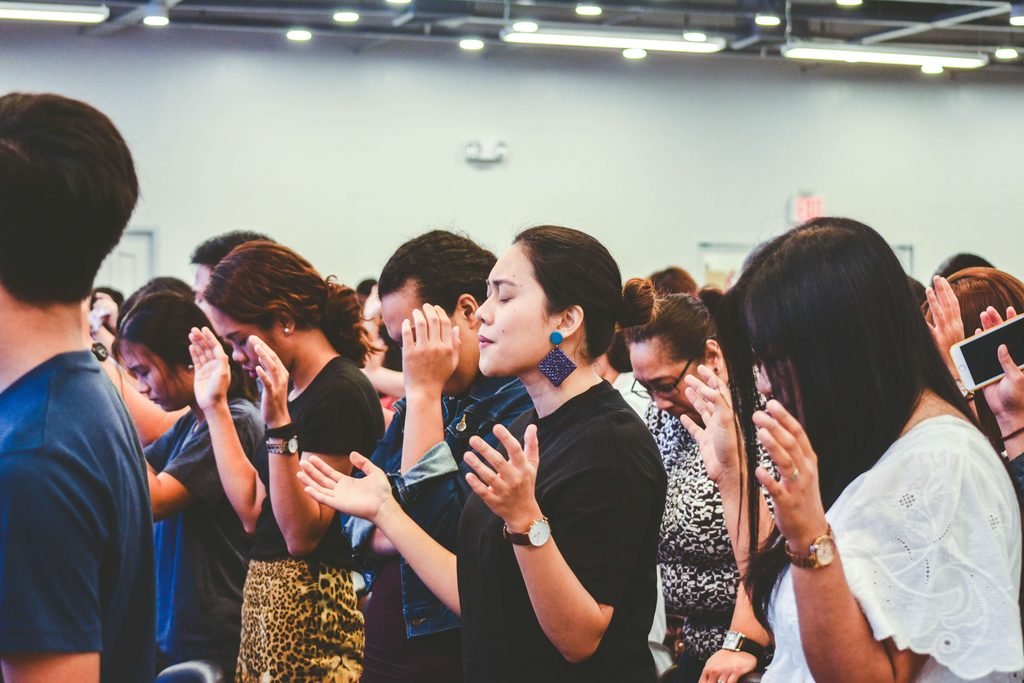
In our church plant in Brisbane, I only lead two songs in our worship – one to enter into His presence and the second one to bow down and worship. We do this because we have understood that it’s not the song itself that worships God, but it’s what we bring to it and where it takes us.
As I conclude this article, let me ask you these questions:
Dear reader, are you a worshipper of God or a spectator of other people’s worship? Do you learn to worship God in the privacy of your room with the door closed? Why not determine in your heart to do what the song says: “I’m coming back to a heart of worship”?